

Everyone Says ‘Save More’ This Holiday Season: Here’s How to Actually Do It
Every holiday season, the same advice pops up like tinsel in November. Save more. Spend less. Smile through it. That guidance sounds nice, yet real life brings parties, gifts, travel, and impulse buys wrapped in shiny paper. Money leaks happen fast during the holidays, often before you notice the drip. The good news is that saving does not require monk-level discipline or skipping all joy. With a few grounded shifts, your wallet can breathe easier while you still enjoy the season.
Set a Holiday Spending Lane
A vague budget is like a shopping cart with a wobbly wheel. It moves, but not where you want it to go. Start with one clear number for holiday spending. This figure covers gifts, food, travel, and random extras. Seeing a cap changes how the brain reacts at checkout. Break that number into smaller buckets. Gifts get one lane. Food gets another. Social events get their own slice. This approach turns a scary total into friendly pieces. It also keeps one category from quietly eating the rest. A small structure creates calm decisions.
Buy Earlier, Even If It Feels Odd
Waiting for December feels traditional, but it costs more. Prices creep up as demand spikes. Buying earlier spreads out spending and reduces panic buys. Less panic means fewer “why did I buy this” moments. Early shopping also gives time to compare options. You can pause, think, and walk away if needed. That pause saves money more often than flash sales do. Your future self will thank you while sipping cocoa instead of stressing. Timing is a quiet money tool.
Rethink Gifts Without Killing the Mood

Expensive does not equal meaningful. Thoughtfulness often wins without draining your account. A handwritten note or shared experience can land better than a pricey object. People remember effort longer than receipts. Set gift limits early and say them out loud. Clear expectations avoid awkward moments later. Group gifts also reduce pressure and cost. Giving becomes lighter when rules are clear and fair.
Use Cash for Problem Categories
Some spending categories love to misbehave. Gifts, snacks, and decorations often top that list. Cards make it painless to overspend. Cash brings awareness back into the room. Withdraw a set amount for those risky areas. Once the envelope is empty, that category is done. This method feels old-school, yet it works like a charm. Watching bills disappear slows spending faster than any app alert.
Plan for January Before It Arrives
Holiday spending loves to borrow from the future. January then shows up like an uninvited guest. Planning ahead keeps that surprise small. Even a modest buffer helps. Set aside a little cash for post-holiday bills now. This step protects your mood after the decorations come down. It also stops regret from stealing joy. Thinking ahead is an act of kindness to yourself. Saving during the holidays is less about restriction and more about intention.
You are not failing if you enjoy the season. You are simply choosing where your money gets to shine. Small decisions stack up quietly. By the time January arrives, you will feel relief instead of regret. That feeling is worth more than any last-minute deal.…
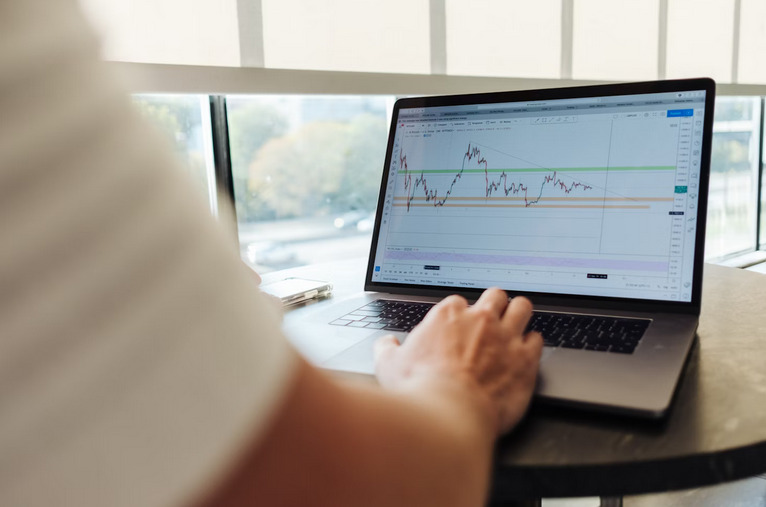
Risk and Reward: Striking the Right Balance in Your Investment Portfolio
Investing is a thrilling journey filled with opportunities, but it’s also a landscape where risk and reward dance hand in hand. Achieving success in the world of investments requires mastering the delicate art of balancing risk and reward. In this guide, we’ll explore how you can navigate this dynamic duo, ensuring that your investment portfolio is not only robust but tailored to your financial goals.
Understanding the Yin and Yang of Investing
Risk and reward are the inseparable forces that shape the investment world. Risk is the possibility of losing money, while reward is the potential gain. The relationship between them is like a seesaw as one side goes up, the other comes down. Striking the right balance is the key to a well-crafted investment strategy.
Setting Clear Investment Goals
Before diving into the risk and reward dance floor, define your investment goals. Are you aiming for short-term gains, long-term growth, or a mix of both? Knowing your objectives will serve as your compass, guiding you through the vast sea of investment options.
Understanding Risk Tolerance

Risk tolerance is your ability to withstand the ups and downs of the market without losing sleep. It’s a personal measure influenced by factors like your financial situation, investment goals, and emotional resilience. Assess your risk tolerance honestly it’s the foundation upon which your entire investment strategy will be built.
Diversification
Imagine your investment portfolio as a well-choreographed dance, where each asset class plays a role. Diversification involves spreading your investments across different types of assets to reduce overall risk. By not putting all your eggs in one basket, you can cushion the impact of a poor-performing investment with the success of others.
Risk-Return Ratio
The risk-return ratio is your investment melody the sweet spot where risk and reward harmonize. Strive for a balance that aligns with your financial goals. Higher potential returns usually come with increased risk, while more conservative investments offer stability but may yield lower returns. Finding the right mix is about creating a portfolio that reflects your comfort level and aspirations.
Risk Management
No dance is complete without a safety net, and in the investment world, that’s risk management. Implementing tools like stop-loss orders, regularly rebalancing your portfolio, and staying informed about market trends can help you navigate the twists and turns of the financial dance floor while protecting your investments from excessive risks.
In the grand ballroom of investments, risk, and reward, perform an intricate dance, and your portfolio is the stage. By setting clear goals, understanding your risk tolerance, diversifying intelligently, and managing risks effectively, you can join the dance with confidence. Remember, it’s not about avoiding risk altogether. It’s about dancing skillfully, finding your rhythm, and achieving the financial success you aspire to.…